
Skip to content

Industry 14 / 14

Transportation Management with AI

Integrating artificial intelligence into transportation management is transforming logistics. Our AI-driven solutions optimize route planning, enhance fuel efficiency, and reduce operational costs. This go-to-market strategy details our approach to leveraging AI to improve transportation efficiency, target key industries, and build strategic partnerships, ensuring we provide cutting-edge tools for operational excellence and a competitive edge.

9 AI solutions48 capabilitiesDiscuss your project
Transportation Management AI services
01

Route Optimization

  • Dynamic RoutingAI algorithms can analyze real-time traffic conditions, weather, and other factors to determine the most efficient routes for vehicles, reducing travel time and fuel consumption

  • Real-Time AnalysisAI evaluates traffic, weather, and road conditions to find efficient routes.

  • Efficiency GainsReduces travel time and fuel consumption.

  • Predictive MaintenanceBy predicting vehicle maintenance needs based on usage patterns and sensor data, AI can help schedule maintenance proactively, minimizing downtime and preventing breakdowns.

  • Usage-Based PredictionsUses sensor data to predict maintenance needs.

  • Proactive SchedulingMinimizes downtime by scheduling maintenance during off-peak times.

  • Cost SavingsPrevents major breakdowns and lowers repair costs.

02

Demand Forecasting

  • Predictive AnalyticsAI can analyze historical data, market trends, and other variables to forecast demand for transportation services, helping in better resource planning and allocation.

  • Historical Data AnalysisAI analyzes historical data and market trends to forecast future demand for transportation services.

  • Resource PlanningThis helps in better planning and allocation of resources to meet predicted demand efficiently.

  • Capacity PlanningPredict future transportation needs to optimize the use of the fleet and workforce.

  • OptimizationEnsures vehicles and staff are deployed effectively, reducing idle time and maximizing productivity.

  • ScalabilityAdjusts capacity based on demand forecasts, ensuring scalability and flexibility in operations.

03

Fleet Management

  • Telematics and IoT IntegrationAI can process data from IoT devices installed in vehicles to monitor their health, driving behavior, fuel consumption, and more, allowing for better fleet management.

  • Vehicle Health MonitoringAI processes data from IoT devices to monitor vehicle health, predicting maintenance needs and reducing unexpected breakdowns.

  • Fuel ConsumptionMonitors fuel usage to identify inefficiencies and suggest ways to improve fuel economy.

  • Optimal Fleet UtilizationEnsure that the fleet is used efficiently, reducing idle time and improving productivity

  • Efficiency OptimizationAnalyzes vehicle usage to minimize idle time and ensure all vehicles are utilized effectively.

  • Productivity EnhancementUses data to optimize routing and scheduling, improving overall productivity.

04

Supply Chain Visibility

  • Real-Time TrackingAI can provide real-time tracking and monitoring of shipments, giving better visibility and control over the supply chain

  • Enhanced MonitoringUses IoT sensors and GPS for up-to-the-minute data on shipments, including conditions like temperature and handling.

  • Proactive Issue ResolutionPredicts delays and issues, sending alerts for immediate action.

  • Inventory ManagementSynchronizes data for optimal inventory levels, preventing stockouts and overstock.

05

Risk Analysis

  • Risk ManagementIdentify potential disruptions in the supply chain and suggest alternative solutions to mitigate risks

  • Disruption IdentificationAnalyzes data to predict potential disruptions like natural disasters or supplier issues.

  • Alternative SolutionsSuggests new routes, suppliers, or shipping methods to mitigate risks.

  • Supplier Risk AssessmentEvaluates suppliers based on risk factors for better sourcing decisions.

  • Scenario PlanningRuns "what-if" simulations to develop contingency plans.

06

Customer Service

  • Chatbots and Virtual AssistantsAI-powered chatbots can handle customer inquiries, provide shipment updates, and assist with bookings, improving customer service.

  • Customer InquiriesAI-powered chatbots can handle a wide range of customer questions, providing instant responses and freeing up human staff for more complex issues.

  • Shipment UpdatesChatbots can provide real-time tracking information and status updates on shipments, enhancing transparency and customer satisfaction.

  • Assistance with BookingsVirtual assistants can help customers book services, modify orders, and manage their accounts efficiently.

07

Cost Reduction with AI

  • Operational EfficiencyAI can identify inefficiencies in transportation processes and suggest improvements, leading to cost savings.

  • Process OptimizationStreamline routing and scheduling to reduce delays and fuel consumption.

  • Inventory ManagementOptimize inventory levels to cut holding costs and minimize waste.

  • Labor Cost ManagementOptimize workforce scheduling and deployment to reduce labor costs while maintaining service quality.

  • Workforce SchedulingAlign staff deployment with peak demand to avoid overstaffing.

  • Task AutomationAutomate routine tasks, freeing up human workers for complex activities.

08

Load Optimization

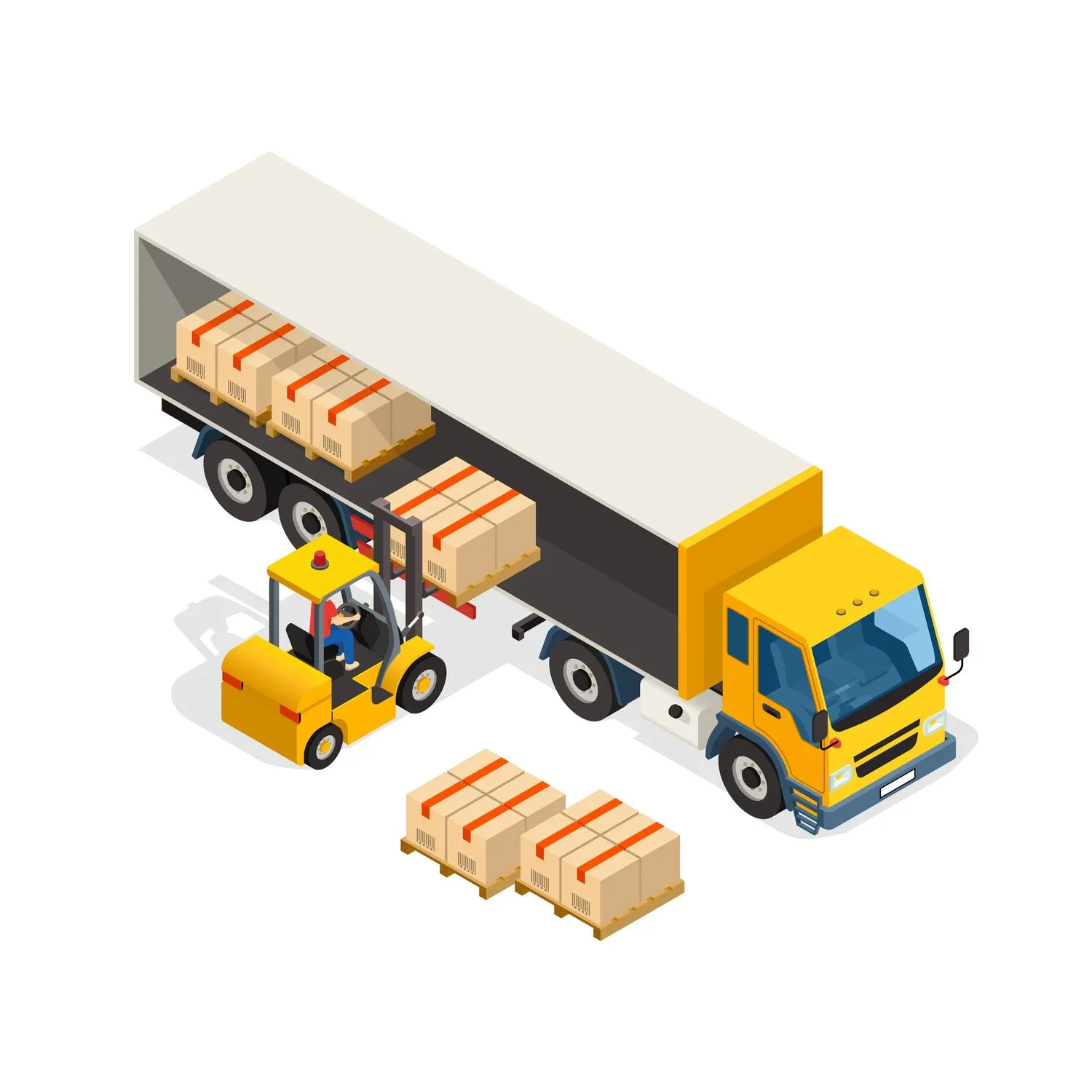
  • Optimal Space UtilizationAI algorithms can analyze the dimensions and weight of goods to determine the most efficient way to load them into a vehicle, maximizing space utilization and minimizing empty space.

  • Efficient LoadingAI algorithms analyze the dimensions and weight of goods to determine the most efficient way to load them into a vehicle.

  • Maximizing SpaceEnsures that the available space is used to its fullest potential, reducing empty space and optimizing cargo arrangement.

  • Cost EfficiencyBy maximizing load capacity, AI reduces the number of trips needed, lowering transportation costs and improving overall efficiency.

09

Safety and Compliance

  • Load Safety AnalysisAI can analyze loading plans to ensure they comply with safety regulations, such as weight limits and proper load securing, reducing the risk of accidents during transport.

  • Regulation ComplianceAI analyzes loading plans to ensure they adhere to safety regulations, such as weight limits and proper securing of loads.

  • Risk ReductionBy ensuring compliance, AI reduces the risk of accidents during transport, enhancing overall safety.

  • Automated DocumentationAI can automatically generate and manage the necessary documentation for compliance with transportation regulations, including load manifests and inspection reports.

  • Document GenerationAI automatically generates necessary documentation for compliance with transportation regulations, including load manifests and inspection reports.

  • Efficient ManagementManages and organizes compliance documents, ensuring they are accurate and up-to-date, reducing administrative burden.

Let's get started

Ready to transform your business?

Discover how our innovative solutions can take your business to the next level. Whether you're looking to optimize your operations, enhance customer engagement, or stay ahead of industry trends, we're here to help.

Let's work together.

Interested in working together? Fill out some information, and we will be in touch shortly!

Fields marked * are required.